Geronimo Flow – April 2026 Newsletter
April 29, 2026
A Note from Your Watershed Coordinator
Spring has arrived in the Geronimo and Alligator Creeks watershed, and this year, it comes with a new season for me as well! I will be transitioning to a new role as the program coordinator for the Texas Watershed Steward Program. It has been an absolute pleasure to work with each and every stakeholder involved in this project, and I am proud of the work we have accomplished together. Soon, a new watershed coordinator will be introduced who will pick up where I am leaving off. During the transition, I will be training the new coordinator and ensuring that all events proceed as planned. If you have questions or concerns in the meantime, please don’t hesitate to reach out! You can still reach me with the contact information below.
Annalee Epps
Annalee.epps@ag.tamu.edu
979-321-5921
What You Can Do to Reduce Pollution Today!
Did you know that Geronimo and Alligator creeks has an elevated level of E. coli bacteria? This impairment was identified in 2008 by the Texas Commission for Environmental Quality. The Geronimo and Alligator Creeks Watershed Partnership was established to reduce the levels of bacterial contamination in Geronimo and Alligator creeks, but we need your help! This is the second article in our series outlining achievable and meaningful steps you can take to improve local water quality.
E. coli bacteria are organisms that can be found in the digestive systems and waste products of warm-blooded animals, including humans. Elevated levels of these bacteria can indicate that the water has come into contact with waste from warm-blooded animals. Other dangerous pathogens could be present in this case, posing a health risk for anyone who is exposed to them.
Increased E. coli bacteria can be the result of nonpoint source pollution. Waste washed into the creek from feral hogs, pets, livestock, or even humans can all contribute to the problem. Did you know that one gram of dog waste can contain more than 23 million bacteria? For context, a gram is about the weight of a dollar bill! And in Guadalupe County alone, there are around 40,000 cattle. With this in mind, what can we do to reduce bacterial contamination in Geronimo and Alligator creeks?
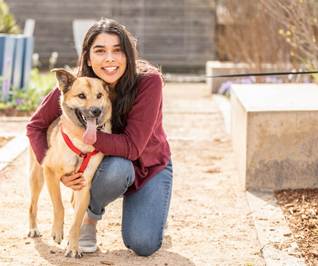
Do you have a dog?
Make a plan to pick up your dog’s waste! You can purchase a large supply of dog waste bags from your favorite online retailer. There are even companies that you can hire to regularly collect waste from your back yard!
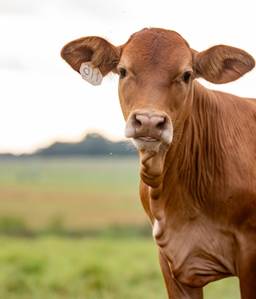
Do you have livestock?
One of the best ways to reduce contamination from livestock is to reduce creek access. One option is to provide alternative shade and water structures on higher ground. Schedule a meeting today with your local Natural Resources Conservation Service (NRCS) or Soil and Water Conservation District (SWCD) to discuss potential funding options!

Don’t have pets or livestock?
You can make a difference too! Talk to a friend about what you learned so they can take action. Through action powered by partnerships, we can protect and improve local water quality.
Calendar
April 25 – Geronimo and Alligator Creeks Spring Cleanup
9 a.m. to 12 p.m.
Seguin and New Braunfels locations
Register today and join us to make a real difference in your community! Get free breakfast, coffee, an event t-shirt, and help us clean up litter in the Geronimo and Alligator Creeks watershed. More details at geronimocreekwatershed.org.
May 20 – Riparian and Stream Ecosystem Workshop
Do you have creekfront property? This is the workshop for you! Learn how to manage this critical area to reduce nonpoint source pollution and erosion. For registration and more information, visit https://texasriparian.org/texas-riparian-stream-ecosystem-workshop-geronimo-alligator-creeks-watersheds-may-20th-2026/